- Andorra
- United Arab Emirates
- Afghanistan
- Antigua and Barbuda
- Anguilla
- Albania
- Armenia
- Netherlands Antilles
- Angola
- Argentina
- American Samoa
- Austria
- Australia
- Aruba
- Aland Islands
- Azerbaijan
- Bosnia and Herzegovina
- Barbados
- Bangladesh
- Belgium
- Burkina Faso
- Bulgaria
- Bahrain
- Burundi
- Benin
- Saint Barthelemy
- Bermuda
- Brunei
- Bolivia
- Bonaire, Saint Eustatius and Saba
- Brazil
- Bahamas
- Bhutan
- Bouvet Island
- Botswana
- Belarus
- Belize
- Canada
- Cocos Islands
- Democratic Republic of the Congo
- Central African Republic
- Republic of the Congo
- Switzerland
- Ivory Coast
- Cook Islands
- Chile
- Cameroon
- China
- Colombia
- Costa Rica
- Cuba
- Cape Verde
- Curacao
- Christmas Island
- Cyprus
- Czech Republic
- Germany
- Djibouti
- Denmark
- Dominica
- Dominican Republic
- Algeria
- Ecuador
- Estonia
- Egypt
- Western Sahara
- Eritrea
- Spain
- Ethiopia
- Finland
- Fiji
- Falkland Islands
- Micronesia
- Faroe Islands
- France
- Gabon
- Grenada
- Georgia
- French Guiana
- Guernsey
- Ghana
- Gibraltar
- Greenland
- Gambia
- Guinea
- Guadeloupe
- Equatorial Guinea
- Greece
- Guatemala
- Guam
- Guinea-Bissau
- Guyana
- Hong Kong
- Honduras
- Croatia
- Haiti
- Hungary
- Indonesia
- Ireland
- Israel
- Isle of Man
- India
- Iraq
- Iran
- Iceland
- Italy
- Jersey
- Jamaica
- Jordan
- Japan
- Kenya
- Kyrgyzstan
- Cambodia
- Kiribati
- Comoros
- Saint Kitts and Nevis
- North Korea
- South Korea
- Kuwait
- Cayman Islands
- Kazakhstan
- Laos
- Lebanon
- Saint Lucia
- Liechtenstein
- Sri Lanka
- Liberia
- Lesotho
- Lithuania
- Luxembourg
- Latvia
- Libya
- Morocco
- Monaco
- Moldova
- Montenegro
- Saint Martin
- Madagascar
- Marshall Islands
- Macedonia
- Mali
- Myanmar
- Mongolia
- Macao
- Northern Mariana Islands
- Martinique
- Mauritania
- Montserrat
- Malta
- Mauritius
- Maldives
- Malawi
- Mexico
- Malaysia
- Mozambique
- Namibia
- New Caledonia
- Niger
- Norfolk Island
- Nigeria
- Nicaragua
- Netherlands
- Norway
- Nepal
- Nauru
- Niue
- New Zealand
- Oman
- Panama
- Peru
- French Polynesia
- Papua New Guinea
- Philippines
- Pakistan
- Poland
- Saint Pierre and Miquelon
- Pitcairn
- Puerto Rico
- Palestine
- Portugal
- Palau
- Paraguay
- Qatar
- Reunion
- Romania
- Serbia
- Russia
- Rwanda
- Saudi Arabia
- Solomon Islands
- Seychelles
- Sudan
- Sweden
- Singapore
- Saint Helena
- Slovenia
- Slovakia
- Sierra Leone
- San Marino
- Senegal
- Somalia
- Suriname
- South Sudan
- Sao Tome and Principe
- El Salvador
- Sint Maarten
- Syria
- Swaziland
- Turks and Caicos Islands
- Chad
- Togo
- Thailand
- Tajikistan
- Tokelau
- East Timor
- Turkmenistan
- Tunisia
- Tonga
- Turkey
- Trinidad and Tobago
- Tuvalu
- Taiwan
- Tanzania
- Ukraine
- Uganda
- United Kingdom
- United States
- Uruguay
- Uzbekistan
- Vatican
- Saint Vincent and the Grenadines
- Venezuela
- British Virgin Islands
- U.S. Virgin Islands
- Vietnam
- Vanuatu
- Wallis and Futuna
- Samoa
- Kosovo
- Yemen
- Mayotte
- South Africa
- Zambia
- Zimbabwe
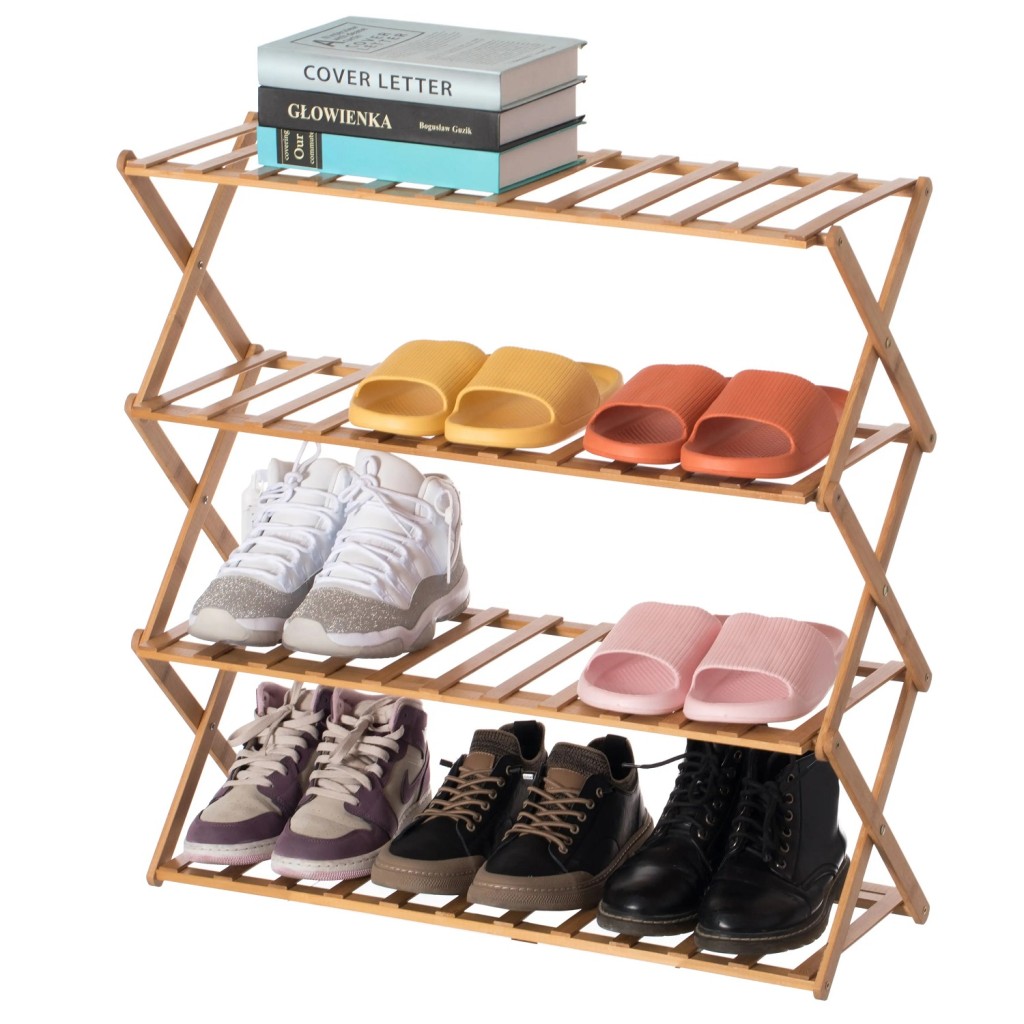
Bamboo Shoe Racks: Breathable Storage That Reduces Odor
Details
Los Angeles, United States
$35
24, Mar 2026
Additional Details
17794
5
 Condition
New
Description
A clutter‑free entryway makes a strong first impression, and organized closets create a calmer start to the day. Shoe storage plays an important role in both. As footwear collections grow—whether through seasonal changes, active lifestyles, or simply the enjoyment of different styles—many households look for a shoe rack that manages space well while keeping shoes fresh. Among the wide variety of options, bamboo shoe racks have become a popular favorite. Known for their breathability, natural charm, and sturdy build, these racks offer a practical and attractive way to store shoes without trapping unpleasant odors.
Why Shoe Racks Matter More Than Many Realize
Shoes are exposed to moisture, dirt, sweat, and bacteria on a daily basis. When tossed into closets, stacked in piles, or left in closed storage boxes, they can quickly develop musty smells. Moisture doesn’t evaporate properly, and limited airflow creates the ideal environment for odor‑causing bacteria to thrive.
A good shoe rack keeps footwear stored in a way that encourages ventilation. Open‑shelf designs, slatted structures, or materials that naturally absorb moisture make a significant difference. Bamboo shoe racks embody all of these qualities, making them a practical solution for households aiming to keep their entryways functional and pleasant.
What Makes Bamboo an Excellent Choice for Shoe Storage
Bamboo is often selected not only for its appearance but for its practical performance. Several characteristics contribute to its reputation as a reliable material for shoe racks.
Natural Breathability
One of the biggest advantages of bamboo shoe racks is their breathability. Most racks feature slatted shelves, which allow air to circulate around shoes from multiple angles. This reduces the time moisture lingers after a long day of wear. Better airflow discourages odors and keeps shoes feeling fresher.
Closed cabinets or solid-shelf units may trap humidity, especially when storing athletic shoes or heavier materials such as leather boots. Bamboo racks help counter this issue with their open, airy structure.
Moisture Resistance
Bamboo contains natural properties that help it resist moisture more effectively than many types of untreated woods. While not waterproof, bamboo is less prone to swelling or cracking when exposed to changing humidity levels. In entryways where damp shoes are common—particularly in rainy or snowy seasons—this resilience is highly beneficial.
A properly finished bamboo shoe rack handles these conditions without losing shape or stability.
Durability and Strength
Despite its lightweight nature, bamboo is remarkably strong. Its fibers run vertically along the stalk, forming a structure that supports significant weight. When crafted into furniture, bamboo offers a balance of lightness and sturdiness, making it ideal for multi‑tier shoe racks that must hold several pairs at a time.
Families with children, individuals with large shoe collections, or households with frequent guests often appreciate how reliably bamboo racks maintain their shape without sagging or bending.
Visual Warmth and Versatility
Bamboo offers a clean, natural aesthetic that complements a wide range of interiors. Whether placed in a minimalist entryway, a rustic mudroom, or a modern closet, bamboo blends effortlessly with other furnishings.
Its warm tone and subtle grain give rooms an inviting feel. This makes bamboo racks not only functional storage pieces but also decorative additions that elevate a space without drawing too much attention.
Lightweight Yet Stable
Moving shoe racks during cleaning or rearranging can be cumbersome if the furniture is too heavy. Bamboo’s lightweight structure makes it easy to relocate when needed, while the construction remains stable enough for daily use.
How Bamboo Helps Reduce Odor Naturally
Many households struggle with shoe odor, especially in warmer climates or active homes where sneakers and sports footwear are worn frequently. Bamboo shoe racks support odor reduction through several mechanisms.
Encouraging Proper Ventilation
Odor develops most quickly in environments where airflow is restricted. Bamboo racks, with their slatted designs and open sides, allow shoes to air out effectively. Even a few hours on a breathable rack can dramatically reduce lingering smells compared to storing shoes inside cabinets, closets, or bins.
Minimizing Moisture Buildup
Moisture is one of the biggest contributors to odor. When shoes sit on solid surfaces or inside enclosed storage, sweat and dampness remain trapped. Bamboo's natural resistance to moisture, combined with its airy construction, helps shoes dry faster.
Drying time matters. The quicker moisture evaporates, the less opportunity bacteria have to multiply.
Inhibiting Bacterial Growth
Bamboo contains natural compounds that make it less hospitable to some forms of bacteria compared to certain other woods. Although it doesn’t replace basic hygiene practices, bamboo’s structure and composition contribute to a fresher storage environment over time.
Compatible With Additional Freshening Methods
Because bamboo is breathable and non‑porous when sealed properly, it works well with common odor‑reducing accessories such as:
• Charcoal deodorizing bags
• Cedar blocks
• Essential oil sachets
• Fabric shoe fresheners
These can be placed on or near bamboo racks without staining or damaging the material.
Different Types of Bamboo Shoe Racks Available
The versatility of bamboo allows manufacturers to create a variety of shoe rack styles that serve different needs.
Simple Multi‑Tier Racks
These are the most common type, featuring two to four shelves that hold several pairs of shoes. They work well for families and individuals who need straightforward organization.
Narrow Vertical Designs
Tall, narrow units are ideal for small apartments or cramped entryways. Their vertical build maximizes storage without occupying much floor space.
Bench‑Style Racks
Combining seating and storage, bench‑style bamboo racks are practical for entryways. They provide a comfortable place to sit while putting on or removing shoes and keep footwear organized underneath.
Expandable or Stackable Options
Some bamboo racks are designed to expand horizontally or stack vertically. This allows buyers to customize their storage as their footwear collection grows.
Closet‑Specific Models
Shallow, wide bamboo racks fit easily into closet floors, helping organize shoes without interfering with hanging garments.
Show MoreLocation
- Address1846 W. 169th Street, Suite A

Similar Listings