- Andorra
- United Arab Emirates
- Afghanistan
- Antigua and Barbuda
- Anguilla
- Albania
- Armenia
- Netherlands Antilles
- Angola
- Argentina
- American Samoa
- Austria
- Australia
- Aruba
- Aland Islands
- Azerbaijan
- Bosnia and Herzegovina
- Barbados
- Bangladesh
- Belgium
- Burkina Faso
- Bulgaria
- Bahrain
- Burundi
- Benin
- Saint Barthelemy
- Bermuda
- Brunei
- Bolivia
- Bonaire, Saint Eustatius and Saba
- Brazil
- Bahamas
- Bhutan
- Bouvet Island
- Botswana
- Belarus
- Belize
- Canada
- Cocos Islands
- Democratic Republic of the Congo
- Central African Republic
- Republic of the Congo
- Switzerland
- Ivory Coast
- Cook Islands
- Chile
- Cameroon
- China
- Colombia
- Costa Rica
- Cuba
- Cape Verde
- Curacao
- Christmas Island
- Cyprus
- Czech Republic
- Germany
- Djibouti
- Denmark
- Dominica
- Dominican Republic
- Algeria
- Ecuador
- Estonia
- Egypt
- Western Sahara
- Eritrea
- Spain
- Ethiopia
- Finland
- Fiji
- Falkland Islands
- Micronesia
- Faroe Islands
- France
- Gabon
- Grenada
- Georgia
- French Guiana
- Guernsey
- Ghana
- Gibraltar
- Greenland
- Gambia
- Guinea
- Guadeloupe
- Equatorial Guinea
- Greece
- Guatemala
- Guam
- Guinea-Bissau
- Guyana
- Hong Kong
- Honduras
- Croatia
- Haiti
- Hungary
- Indonesia
- Ireland
- Israel
- Isle of Man
- India
- Iraq
- Iran
- Iceland
- Italy
- Jersey
- Jamaica
- Jordan
- Japan
- Kenya
- Kyrgyzstan
- Cambodia
- Kiribati
- Comoros
- Saint Kitts and Nevis
- North Korea
- South Korea
- Kuwait
- Cayman Islands
- Kazakhstan
- Laos
- Lebanon
- Saint Lucia
- Liechtenstein
- Sri Lanka
- Liberia
- Lesotho
- Lithuania
- Luxembourg
- Latvia
- Libya
- Morocco
- Monaco
- Moldova
- Montenegro
- Saint Martin
- Madagascar
- Marshall Islands
- Macedonia
- Mali
- Myanmar
- Mongolia
- Macao
- Northern Mariana Islands
- Martinique
- Mauritania
- Montserrat
- Malta
- Mauritius
- Maldives
- Malawi
- Mexico
- Malaysia
- Mozambique
- Namibia
- New Caledonia
- Niger
- Norfolk Island
- Nigeria
- Nicaragua
- Netherlands
- Norway
- Nepal
- Nauru
- Niue
- New Zealand
- Oman
- Panama
- Peru
- French Polynesia
- Papua New Guinea
- Philippines
- Pakistan
- Poland
- Saint Pierre and Miquelon
- Pitcairn
- Puerto Rico
- Palestine
- Portugal
- Palau
- Paraguay
- Qatar
- Reunion
- Romania
- Serbia
- Russia
- Rwanda
- Saudi Arabia
- Solomon Islands
- Seychelles
- Sudan
- Sweden
- Singapore
- Saint Helena
- Slovenia
- Slovakia
- Sierra Leone
- San Marino
- Senegal
- Somalia
- Suriname
- South Sudan
- Sao Tome and Principe
- El Salvador
- Sint Maarten
- Syria
- Swaziland
- Turks and Caicos Islands
- Chad
- Togo
- Thailand
- Tajikistan
- Tokelau
- East Timor
- Turkmenistan
- Tunisia
- Tonga
- Turkey
- Trinidad and Tobago
- Tuvalu
- Taiwan
- Tanzania
- Ukraine
- Uganda
- United Kingdom
- United States
- Uruguay
- Uzbekistan
- Vatican
- Saint Vincent and the Grenadines
- Venezuela
- British Virgin Islands
- U.S. Virgin Islands
- Vietnam
- Vanuatu
- Wallis and Futuna
- Samoa
- Kosovo
- Yemen
- Mayotte
- South Africa
- Zambia
- Zimbabwe
Bamboo Kitchenware: A Cleaner, Healthier Alternative to Plastic
Details
New York City, United States
$155
22, Mar 2026
Additional Details
17784
5
 Condition
New
Description
A cleaner, healthier alternative must also be durable enough to justify long‑term use. Bamboo earns high marks in this area as well.
Resistance to warping
Although bamboo kitchenware should not be soaked for extended periods, it resists warping better than many softwood utensils. When washed and dried properly, it retains its shape for years. Cutting boards stay flat, and spoons don’t twist or crack as easily.
Strength without brittleness
Bamboo has enough flexibility to withstand pressure without snapping. This differs from certain plastics, which become brittle over time and can break or chip when stressed.
Long lifespan with basic care
Bamboo maintenance is straightforward. A light oiling every so often keeps boards or utensils conditioned. Beyond that, simple hand washing and proper drying are enough to maintain the material’s integrity.
A More Pleasant Cooking Experience
People often don’t consider how kitchen tools contribute to the rhythm of cooking. The material, weight, texture, and shape influence how enjoyable daily meal preparation feels.
Gentle on cookware
Plastic utensils are designed to be non‑abrasive but can still develop sharp edges if damaged. Metal utensils can scratch nonstick pots and pans. Bamboo strikes a softer balance:
• It won’t scratch coatings.
• It stays smooth even with long-term use.
• It feels solid enough for robust cooking but gentle enough for delicate pans.
This combination makes bamboo suitable for nearly every type of cookware.
Warm, natural appearance
Aesthetic comfort matters in the kitchen. Bamboo offers a warm, clean look that suits both modern and rustic spaces. Unlike plastic, which can look worn or fade, bamboo matures gracefully. Slight darkening or patina adds to its character rather than detracting from it.
Comparing Bamboo to Traditional Plastic Kitchenware
Plastic kitchenware has been popular for decades because it’s cheap, lightweight, and easy to produce. But it also carries drawbacks that push many cooks toward alternatives.
Wear and tear
Plastic tools often show aging quickly:
• discoloration
• deep scratches
• odor retention
• melting points under heat exposure
Bamboo lasts longer before showing similar signs of wear.
Sensory experience
Plastic feels artificial and sometimes slippery, whereas bamboo offers a textured grip. This sensory quality makes bamboo easier to handle, especially when cooking for extended periods or when hands are damp.
Environmental and compositional concerns
While the environmental angle is well‑known, many buyers choose bamboo primarily because it feels simpler and more transparent than synthetic materials. There’s reassurance in knowing the utensil or board is crafted from a plant rather than a chemical blend.
Where Bamboo Works Best in the Kitchen
Bamboo suits a wide range of kitchen tools, many of which benefit directly from its material strengths.
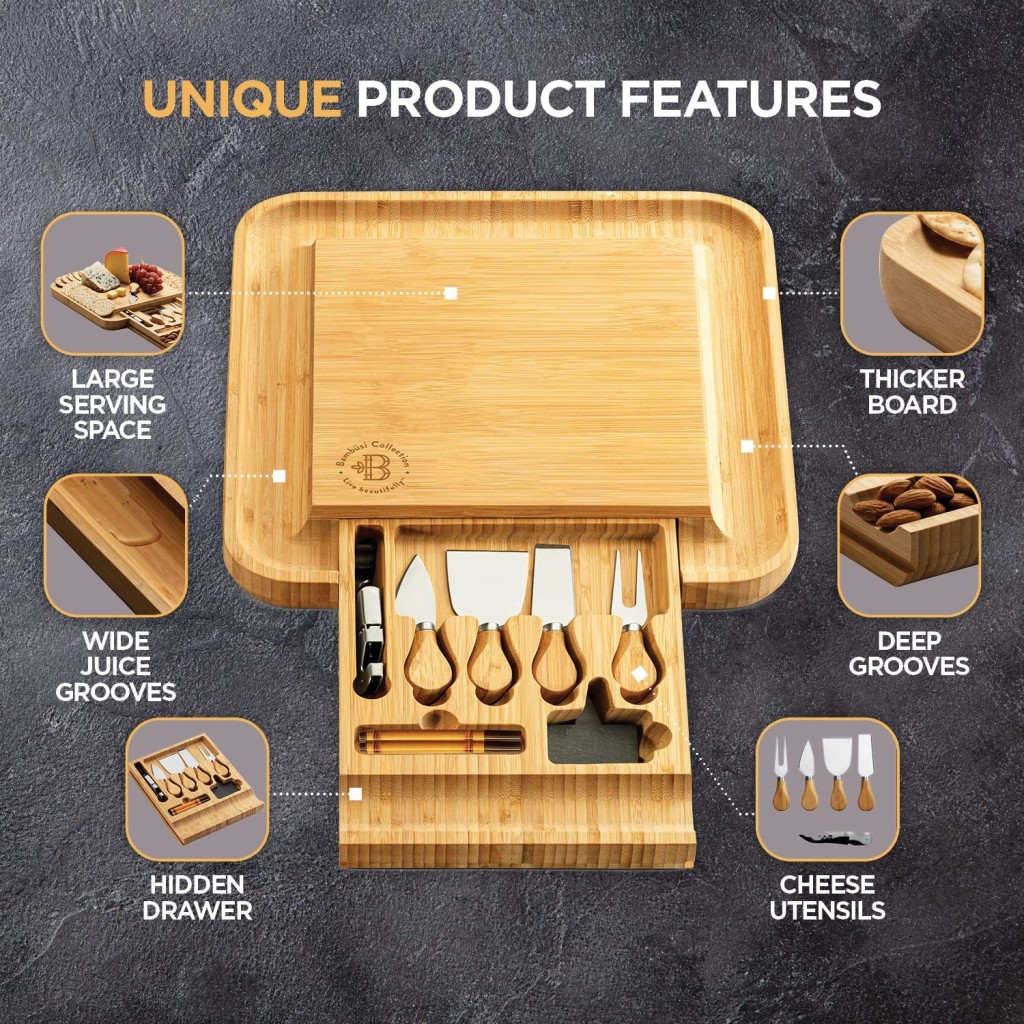
• Cutting boards
• Serving trays
• Mixing spoons
• Slotted spoons
• Salad tongs
• Spatulas
• Chopsticks
• Mortar and pestle components
• Bowls for fruits or salads
• Pantry containers with bamboo lids
Each item benefits from bamboo’s combination of smoothness, stability, and food-friendly texture.
Handling and Maintenance for Long-Term Use
While bamboo is durable, simple habits help keep it in top form.
• Wash by hand instead of using a dishwasher.
• Avoid soaking in water for long periods.
• Allow items to dry upright or in open air.
• Apply a small amount of food-safe mineral oil periodically.
• Keep bamboo away from direct sunlight for long stretches.
These steps are minimal yet effective in maintaining both cleanliness and structural integrity.
Why More Cooks Are Making the Switch
The rise of bamboo kitchenware reflects a set of practical preferences rather than passing trends. Home cooks value items that are dependable, easy to clean, comfortable to use, and pleasant to handle day after day. Bamboo fits these expectations naturally.
Its smooth surface, resistance to odors, gentle interaction with knives and cookware, and stable feel under heat make it suitable for daily food preparation. The absence of synthetic compounds and the reassuring texture of natural fibers add to its appeal.
Bamboo kitchenware feels clean, behaves predictably, and holds up under repeated use. For cooks seeking a healthier and more enjoyable alternative to plastic, it offers a dependable choice that blends function with comfort.
Show MoreTags
Location
- Address1846 W. 169th Street, Suite A

Similar Listings