- Andorra
- United Arab Emirates
- Afghanistan
- Antigua and Barbuda
- Anguilla
- Albania
- Armenia
- Netherlands Antilles
- Angola
- Argentina
- American Samoa
- Austria
- Australia
- Aruba
- Aland Islands
- Azerbaijan
- Bosnia and Herzegovina
- Barbados
- Bangladesh
- Belgium
- Burkina Faso
- Bulgaria
- Bahrain
- Burundi
- Benin
- Saint Barthelemy
- Bermuda
- Brunei
- Bolivia
- Bonaire, Saint Eustatius and Saba
- Brazil
- Bahamas
- Bhutan
- Bouvet Island
- Botswana
- Belarus
- Belize
- Canada
- Cocos Islands
- Democratic Republic of the Congo
- Central African Republic
- Republic of the Congo
- Switzerland
- Ivory Coast
- Cook Islands
- Chile
- Cameroon
- China
- Colombia
- Costa Rica
- Cuba
- Cape Verde
- Curacao
- Christmas Island
- Cyprus
- Czech Republic
- Germany
- Djibouti
- Denmark
- Dominica
- Dominican Republic
- Algeria
- Ecuador
- Estonia
- Egypt
- Western Sahara
- Eritrea
- Spain
- Ethiopia
- Finland
- Fiji
- Falkland Islands
- Micronesia
- Faroe Islands
- France
- Gabon
- Grenada
- Georgia
- French Guiana
- Guernsey
- Ghana
- Gibraltar
- Greenland
- Gambia
- Guinea
- Guadeloupe
- Equatorial Guinea
- Greece
- Guatemala
- Guam
- Guinea-Bissau
- Guyana
- Hong Kong
- Honduras
- Croatia
- Haiti
- Hungary
- Indonesia
- Ireland
- Israel
- Isle of Man
- India
- Iraq
- Iran
- Iceland
- Italy
- Jersey
- Jamaica
- Jordan
- Japan
- Kenya
- Kyrgyzstan
- Cambodia
- Kiribati
- Comoros
- Saint Kitts and Nevis
- North Korea
- South Korea
- Kuwait
- Cayman Islands
- Kazakhstan
- Laos
- Lebanon
- Saint Lucia
- Liechtenstein
- Sri Lanka
- Liberia
- Lesotho
- Lithuania
- Luxembourg
- Latvia
- Libya
- Morocco
- Monaco
- Moldova
- Montenegro
- Saint Martin
- Madagascar
- Marshall Islands
- Macedonia
- Mali
- Myanmar
- Mongolia
- Macao
- Northern Mariana Islands
- Martinique
- Mauritania
- Montserrat
- Malta
- Mauritius
- Maldives
- Malawi
- Mexico
- Malaysia
- Mozambique
- Namibia
- New Caledonia
- Niger
- Norfolk Island
- Nigeria
- Nicaragua
- Netherlands
- Norway
- Nepal
- Nauru
- Niue
- New Zealand
- Oman
- Panama
- Peru
- French Polynesia
- Papua New Guinea
- Philippines
- Pakistan
- Poland
- Saint Pierre and Miquelon
- Pitcairn
- Puerto Rico
- Palestine
- Portugal
- Palau
- Paraguay
- Qatar
- Reunion
- Romania
- Serbia
- Russia
- Rwanda
- Saudi Arabia
- Solomon Islands
- Seychelles
- Sudan
- Sweden
- Singapore
- Saint Helena
- Slovenia
- Slovakia
- Sierra Leone
- San Marino
- Senegal
- Somalia
- Suriname
- South Sudan
- Sao Tome and Principe
- El Salvador
- Sint Maarten
- Syria
- Swaziland
- Turks and Caicos Islands
- Chad
- Togo
- Thailand
- Tajikistan
- Tokelau
- East Timor
- Turkmenistan
- Tunisia
- Tonga
- Turkey
- Trinidad and Tobago
- Tuvalu
- Taiwan
- Tanzania
- Ukraine
- Uganda
- United Kingdom
- United States
- Uruguay
- Uzbekistan
- Vatican
- Saint Vincent and the Grenadines
- Venezuela
- British Virgin Islands
- U.S. Virgin Islands
- Vietnam
- Vanuatu
- Wallis and Futuna
- Samoa
- Kosovo
- Yemen
- Mayotte
- South Africa
- Zambia
- Zimbabwe
Outdoor Bamboo Decking for Pools: Slip Resistance and Safety Explained
Details
Seattle, United States
$190
08, Mar 2026
Additional Details
17671
83
 Condition
New
Description
Designing a poolside area involves more than choosing the right water features and layout. The surface surrounding the pool plays a huge role in day‑to‑day comfort, long‑term durability, and, most importantly, safety. Homeowners often look for materials that stay cool underfoot, offer natural traction when wet, and blend well with outdoor landscaping. Outdoor bamboo decking has become a popular choice for pool environments because of its combination of strength, texture, and natural style. Understanding how bamboo performs around water and what makes it safe can help pool owners make confident decisions when planning or upgrading their outdoor space.
Why Bamboo Decking Fits Well in Wet Environments
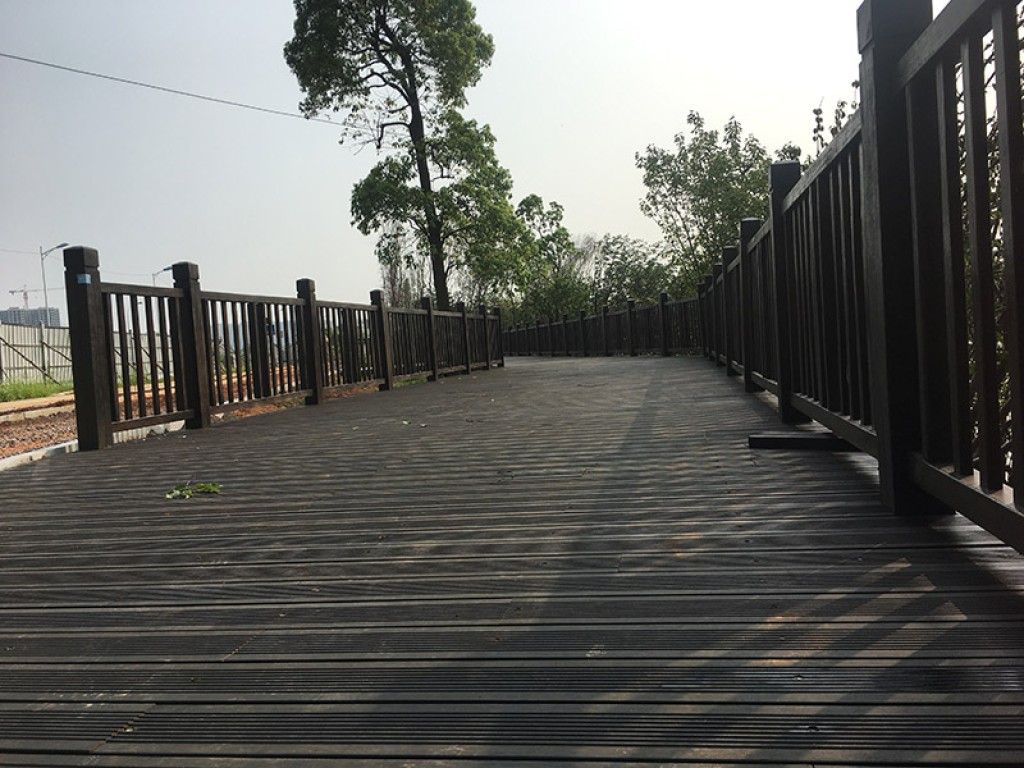
Outdoor bamboo decking is engineered from compressed and heat‑treated bamboo fibers, creating a dense, stable material capable of handling constant exposure to moisture. Pool areas demand a material that can withstand splashes, humidity, and water runoff. The structure of strand‑woven bamboo, combined with outdoor‑grade oil finishes, makes it highly suitable for these demanding conditions.
Bamboo fibers are aligned and compressed at high pressure, producing a board with exceptional tension and surface hardness. This density also reduces water absorption compared to many traditional woods. When combined with proper sealing and maintenance, the decking performs reliably even in areas that experience continual wet‑dry cycles.
Understanding Slip Resistance Around Pools
Slip resistance is the single most important concern for anyone designing a pool deck. Whether it’s children running, adults stepping out with wet feet, or guests lounging barefoot, the deck needs to offer secure footing.
Outdoor bamboo decking typically has a naturally textured surface created during the manufacturing process. This texture increases friction, helping prevent slipping when the boards are wet. The surface is not spongy or soft like some synthetic materials; instead, it provides a firm and stable grip.
Several characteristics contribute to slip resistance:
• The high density of the bamboo board keeps the surface stable under pressure.
• The natural grain pattern adds subtle traction.
• Outdoor oil coatings can include anti‑slip additives when needed.
• The boards generally absorb less water than softwoods, reducing the risk of surface pooling.
Many manufacturers test their decking under standardized slip‑resistance ratings. Although scores vary by brand, high‑density bamboo often performs better than many hardwoods and some composite boards, especially as it ages naturally.
Comparing Bamboo with Other Common Pool Decking Materials
Homeowners typically compare several materials before settling on bamboo. Each has its strengths and drawbacks, especially in wet environments.
Bamboo vs Natural Timbers
Traditional hardwoods like merbau, teak, or ipe have been used for decades around pools. While they are durable, they come with a few challenges:
• Some hardwoods release tannins that stain surrounding areas.
• Surfaces can become slippery if not regularly cleaned or oiled.
• Many hardwoods heat up significantly under strong sunlight.
• Irregular grain patterns or surface gaps can trap water.
Bamboo offers a more uniform structure with fewer natural inconsistencies, giving it a smoother, more consistent surface for walking. Its density also helps it resist dents and wear in high‑traffic pool zones.
Bamboo vs WPC Decking
WPC decking, made from wood fibers and plastic, is another popular material. It resists moisture well, but it presents its own issues:
• It can become very hot in direct sunlight, making it uncomfortable to walk on around pools.
• Some hollow‑core WPC boards may develop internal swelling or splitting over time.
• The plastic component can cause a slightly slippery surface when wet.
In comparison, bamboo maintains a more natural feel, stays cooler, and provides firmer traction thanks to its dense wood-like surface.
Bamboo vs Stone and Tile
While stone and tile are known for durability, they often become slippery when wet, especially smooth ceramic or polished surfaces. They can also be harsh on bare feet and may become extremely hot.
Bamboo offers a warmer, softer feel and better grip, making it more comfortable during long poolside activities.
Heat Comfort: A Major Factor Near Pools
Apart from slip resistance, temperature comfort matters just as much. People frequently step onto the deck with bare feet, so materials that overheat can be uncomfortable or even hazardous.
High‑density bamboo typically remains cooler than many composites and darker hardwoods. Its cell structure and natural fibers dissipate heat better, making it pleasant to walk on even during sunny days. Lighter color tones can further enhance heat reflection.
Poolside users often appreciate this because it allows smooth transitions between the water and decking without the shock of stepping on a scorching surface.
Show MoreTags
Location
- Address1846 W. 169th Street, Suite A

Similar Listings