- Andorra
- United Arab Emirates
- Afghanistan
- Antigua and Barbuda
- Anguilla
- Albania
- Armenia
- Netherlands Antilles
- Angola
- Argentina
- American Samoa
- Austria
- Australia
- Aruba
- Aland Islands
- Azerbaijan
- Bosnia and Herzegovina
- Barbados
- Bangladesh
- Belgium
- Burkina Faso
- Bulgaria
- Bahrain
- Burundi
- Benin
- Saint Barthelemy
- Bermuda
- Brunei
- Bolivia
- Bonaire, Saint Eustatius and Saba
- Brazil
- Bahamas
- Bhutan
- Bouvet Island
- Botswana
- Belarus
- Belize
- Canada
- Cocos Islands
- Democratic Republic of the Congo
- Central African Republic
- Republic of the Congo
- Switzerland
- Ivory Coast
- Cook Islands
- Chile
- Cameroon
- China
- Colombia
- Costa Rica
- Cuba
- Cape Verde
- Curacao
- Christmas Island
- Cyprus
- Czech Republic
- Germany
- Djibouti
- Denmark
- Dominica
- Dominican Republic
- Algeria
- Ecuador
- Estonia
- Egypt
- Western Sahara
- Eritrea
- Spain
- Ethiopia
- Finland
- Fiji
- Falkland Islands
- Micronesia
- Faroe Islands
- France
- Gabon
- Grenada
- Georgia
- French Guiana
- Guernsey
- Ghana
- Gibraltar
- Greenland
- Gambia
- Guinea
- Guadeloupe
- Equatorial Guinea
- Greece
- Guatemala
- Guam
- Guinea-Bissau
- Guyana
- Hong Kong
- Honduras
- Croatia
- Haiti
- Hungary
- Indonesia
- Ireland
- Israel
- Isle of Man
- India
- Iraq
- Iran
- Iceland
- Italy
- Jersey
- Jamaica
- Jordan
- Japan
- Kenya
- Kyrgyzstan
- Cambodia
- Kiribati
- Comoros
- Saint Kitts and Nevis
- North Korea
- South Korea
- Kuwait
- Cayman Islands
- Kazakhstan
- Laos
- Lebanon
- Saint Lucia
- Liechtenstein
- Sri Lanka
- Liberia
- Lesotho
- Lithuania
- Luxembourg
- Latvia
- Libya
- Morocco
- Monaco
- Moldova
- Montenegro
- Saint Martin
- Madagascar
- Marshall Islands
- Macedonia
- Mali
- Myanmar
- Mongolia
- Macao
- Northern Mariana Islands
- Martinique
- Mauritania
- Montserrat
- Malta
- Mauritius
- Maldives
- Malawi
- Mexico
- Malaysia
- Mozambique
- Namibia
- New Caledonia
- Niger
- Norfolk Island
- Nigeria
- Nicaragua
- Netherlands
- Norway
- Nepal
- Nauru
- Niue
- New Zealand
- Oman
- Panama
- Peru
- French Polynesia
- Papua New Guinea
- Philippines
- Pakistan
- Poland
- Saint Pierre and Miquelon
- Pitcairn
- Puerto Rico
- Palestine
- Portugal
- Palau
- Paraguay
- Qatar
- Reunion
- Romania
- Serbia
- Russia
- Rwanda
- Saudi Arabia
- Solomon Islands
- Seychelles
- Sudan
- Sweden
- Singapore
- Saint Helena
- Slovenia
- Slovakia
- Sierra Leone
- San Marino
- Senegal
- Somalia
- Suriname
- South Sudan
- Sao Tome and Principe
- El Salvador
- Sint Maarten
- Syria
- Swaziland
- Turks and Caicos Islands
- Chad
- Togo
- Thailand
- Tajikistan
- Tokelau
- East Timor
- Turkmenistan
- Tunisia
- Tonga
- Turkey
- Trinidad and Tobago
- Tuvalu
- Taiwan
- Tanzania
- Ukraine
- Uganda
- United Kingdom
- United States
- Uruguay
- Uzbekistan
- Vatican
- Saint Vincent and the Grenadines
- Venezuela
- British Virgin Islands
- U.S. Virgin Islands
- Vietnam
- Vanuatu
- Wallis and Futuna
- Samoa
- Kosovo
- Yemen
- Mayotte
- South Africa
- Zambia
- Zimbabwe
High Density Bamboo Flooring for Commercial Projects: Why Architects Love It
Details
Gardena, United States
$180
29, Jan 2026
Additional Details
17368
106
 Condition
New
Description
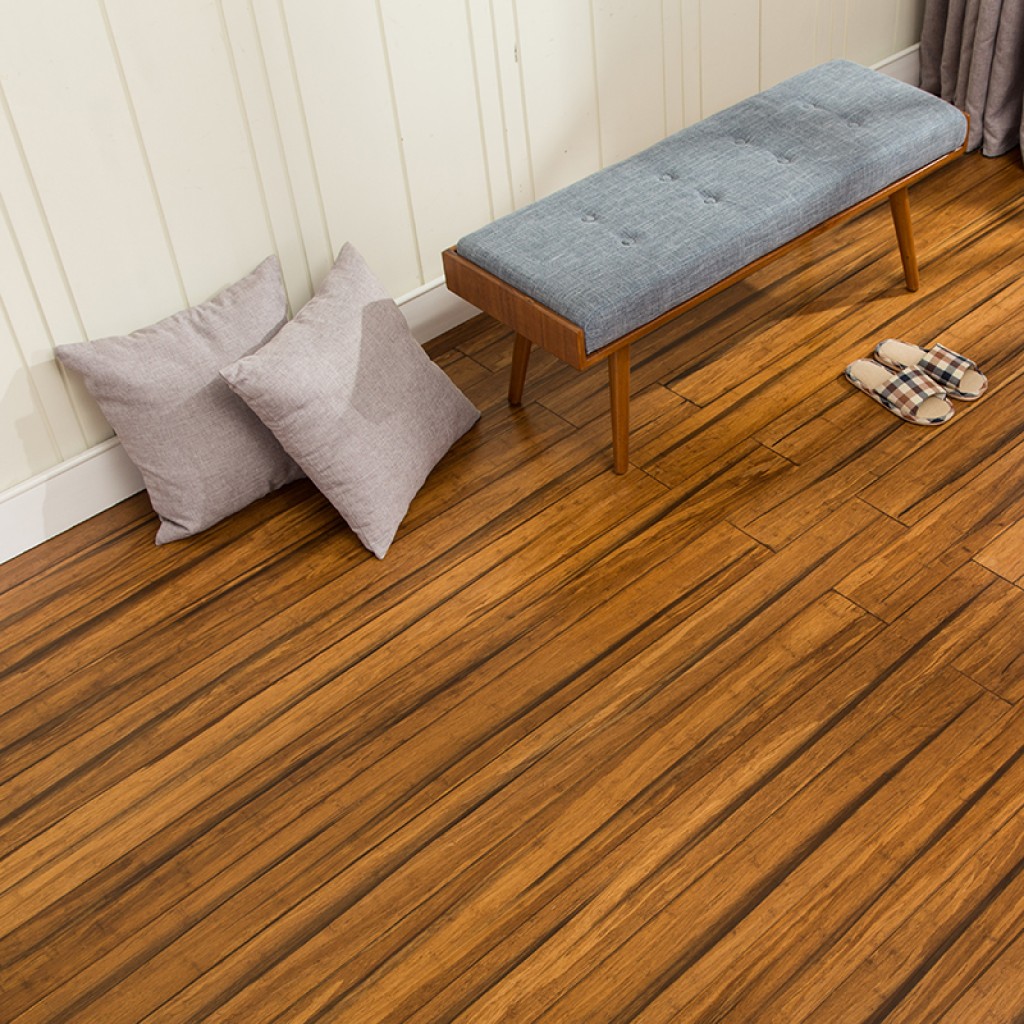
High‑density bamboo flooring has moved from niche material to a trusted specification in many commercial projects. Offices, hospitality spaces, retail environments, education facilities, and public buildings now feature it as a primary surface, not just as an eco‑minded alternative but as a performance material in its own right. Architects who work with demanding clients have found that high‑density bamboo meets technical expectations while offering a warm, contemporary look that fits a wide range of design narratives.
Strength That Holds Up Under Pressure
One of the first things architects note about high‑density bamboo is its impressive load‑bearing performance. The production process involves compressing bamboo fibers under extreme pressure, creating a dense, stable material with strength values that compare well to many hardwoods used in commercial flooring.
Commercial spaces experience heavy daily use: rolling office chairs, foot traffic from employees and customers, wheeled carts, equipment movement, and the occasional impact from dropped objects. While traditional bamboo can dent or scratch more easily, high‑density bamboo performs more like a commercial‑grade wood species. This gives architects confidence when specifying it for areas that don’t allow for frequent shutdowns or floor replacements.
Its hardness rating—often exceeding many traditional hardwoods—means facility managers benefit from fewer maintenance interventions, and architects gain a reliable material that continues to look good even under challenging conditions.
Stability That Reduces Design Risk
Dimensional stability is another reason architects return to high‑density bamboo. Some flooring materials expand and contract noticeably with changes in humidity or temperature, complicating large‑format installations or integration with underfloor heating systems. High‑density bamboo handles climate fluctuations better than many organic materials due to its compressed structure and controlled manufacturing process.
In multi‑level office buildings with varied microclimates, or in hospitality settings where kitchens, lobbies, guest rooms, and spas each have their own environmental conditions, material stability becomes a practical priority. Fewer callbacks for cupping, warping, or gapping mean smoother operations for contractors and fewer worries for designers.
Aesthetic Flexibility That Matches Modern Design Needs
Architects often gravitate toward materials that provide both visual appeal and functional range. High‑density bamboo easily supports a wide palette of design styles. Because the compression process alters the physical characteristics of the bamboo strands, manufacturers can create a variety of tones:
- warm caramel shades
- lighter neutral styles
- deep, chocolate‑colored options that echo dark hardwood
- contemporary gray or muted finishes through controlled carbonization or staining
In large corporate spaces, designers can use these tones to create subtle transitions between zones without changing the overall flooring system. Retail designers appreciate that bamboo’s linear grain pattern complements minimalist interiors, Scandinavian‑inspired layouts, or nature‑focused concepts. Its visual consistency suits brand‑driven spaces that require clean, repeatable aesthetics across multiple locations.
Sustainability That Meets Responsible Building Standards
Architects increasingly specify materials that meet stringent environmental criteria because clients want transparency, reduced carbon impact, and compatibility with recognized building certifications. Bamboo grows significantly faster than hardwood and regenerates without replanting, offering an attractive choice for projects focused on responsible sourcing.
High‑density bamboo products often include documentation for:
- low‑emission adhesives
- formaldehyde‑free or ultra‑low‑formaldehyde production
- third‑party sustainability certification
- responsible harvesting practices
- recycling or reuse pathways
When paired with a durable, long‑lasting lifecycle, these qualities create a material that helps project teams satisfy environmental goals without compromising aesthetics or performance. Architects working on government buildings, healthcare facilities, and education spaces often rely on materials with dependable environmental data, and high‑density bamboo fits those strict requirements.
Acoustic Performance That Improves Commercial Comfort
Flooring contributes directly to the acoustic environment of a building, especially in open‑plan offices, hotel corridors, student centers, and retail environments. Many architects specify high‑density bamboo because its density and structural layers can support strong acoustic performance when installed with appropriate underlayments.
This matters in environments where:
- speech clarity affects productivity
- hallway noise disrupts guest rest
- retail environments need a controlled sound atmosphere
- public buildings require comfortable noise levels during peak foot‑traffic times
With proper systems behind it, high‑density bamboo flooring helps designers achieve acoustical comfort while maintaining a warm, natural look.
Show MoreTags
Location
- Address1846 W. 169th Street, Suite A

Similar Listings