- Andorra
- United Arab Emirates
- Afghanistan
- Antigua and Barbuda
- Anguilla
- Albania
- Armenia
- Netherlands Antilles
- Angola
- Argentina
- American Samoa
- Austria
- Australia
- Aruba
- Aland Islands
- Azerbaijan
- Bosnia and Herzegovina
- Barbados
- Bangladesh
- Belgium
- Burkina Faso
- Bulgaria
- Bahrain
- Burundi
- Benin
- Saint Barthelemy
- Bermuda
- Brunei
- Bolivia
- Bonaire, Saint Eustatius and Saba
- Brazil
- Bahamas
- Bhutan
- Bouvet Island
- Botswana
- Belarus
- Belize
- Canada
- Cocos Islands
- Democratic Republic of the Congo
- Central African Republic
- Republic of the Congo
- Switzerland
- Ivory Coast
- Cook Islands
- Chile
- Cameroon
- China
- Colombia
- Costa Rica
- Cuba
- Cape Verde
- Curacao
- Christmas Island
- Cyprus
- Czech Republic
- Germany
- Djibouti
- Denmark
- Dominica
- Dominican Republic
- Algeria
- Ecuador
- Estonia
- Egypt
- Western Sahara
- Eritrea
- Spain
- Ethiopia
- Finland
- Fiji
- Falkland Islands
- Micronesia
- Faroe Islands
- France
- Gabon
- Grenada
- Georgia
- French Guiana
- Guernsey
- Ghana
- Gibraltar
- Greenland
- Gambia
- Guinea
- Guadeloupe
- Equatorial Guinea
- Greece
- Guatemala
- Guam
- Guinea-Bissau
- Guyana
- Hong Kong
- Honduras
- Croatia
- Haiti
- Hungary
- Indonesia
- Ireland
- Israel
- Isle of Man
- India
- Iraq
- Iran
- Iceland
- Italy
- Jersey
- Jamaica
- Jordan
- Japan
- Kenya
- Kyrgyzstan
- Cambodia
- Kiribati
- Comoros
- Saint Kitts and Nevis
- North Korea
- South Korea
- Kuwait
- Cayman Islands
- Kazakhstan
- Laos
- Lebanon
- Saint Lucia
- Liechtenstein
- Sri Lanka
- Liberia
- Lesotho
- Lithuania
- Luxembourg
- Latvia
- Libya
- Morocco
- Monaco
- Moldova
- Montenegro
- Saint Martin
- Madagascar
- Marshall Islands
- Macedonia
- Mali
- Myanmar
- Mongolia
- Macao
- Northern Mariana Islands
- Martinique
- Mauritania
- Montserrat
- Malta
- Mauritius
- Maldives
- Malawi
- Mexico
- Malaysia
- Mozambique
- Namibia
- New Caledonia
- Niger
- Norfolk Island
- Nigeria
- Nicaragua
- Netherlands
- Norway
- Nepal
- Nauru
- Niue
- New Zealand
- Oman
- Panama
- Peru
- French Polynesia
- Papua New Guinea
- Philippines
- Pakistan
- Poland
- Saint Pierre and Miquelon
- Pitcairn
- Puerto Rico
- Palestine
- Portugal
- Palau
- Paraguay
- Qatar
- Reunion
- Romania
- Serbia
- Russia
- Rwanda
- Saudi Arabia
- Solomon Islands
- Seychelles
- Sudan
- Sweden
- Singapore
- Saint Helena
- Slovenia
- Slovakia
- Sierra Leone
- San Marino
- Senegal
- Somalia
- Suriname
- South Sudan
- Sao Tome and Principe
- El Salvador
- Sint Maarten
- Syria
- Swaziland
- Turks and Caicos Islands
- Chad
- Togo
- Thailand
- Tajikistan
- Tokelau
- East Timor
- Turkmenistan
- Tunisia
- Tonga
- Turkey
- Trinidad and Tobago
- Tuvalu
- Taiwan
- Tanzania
- Ukraine
- Uganda
- United Kingdom
- United States
- Uruguay
- Uzbekistan
- Vatican
- Saint Vincent and the Grenadines
- Venezuela
- British Virgin Islands
- U.S. Virgin Islands
- Vietnam
- Vanuatu
- Wallis and Futuna
- Samoa
- Kosovo
- Yemen
- Mayotte
- South Africa
- Zambia
- Zimbabwe
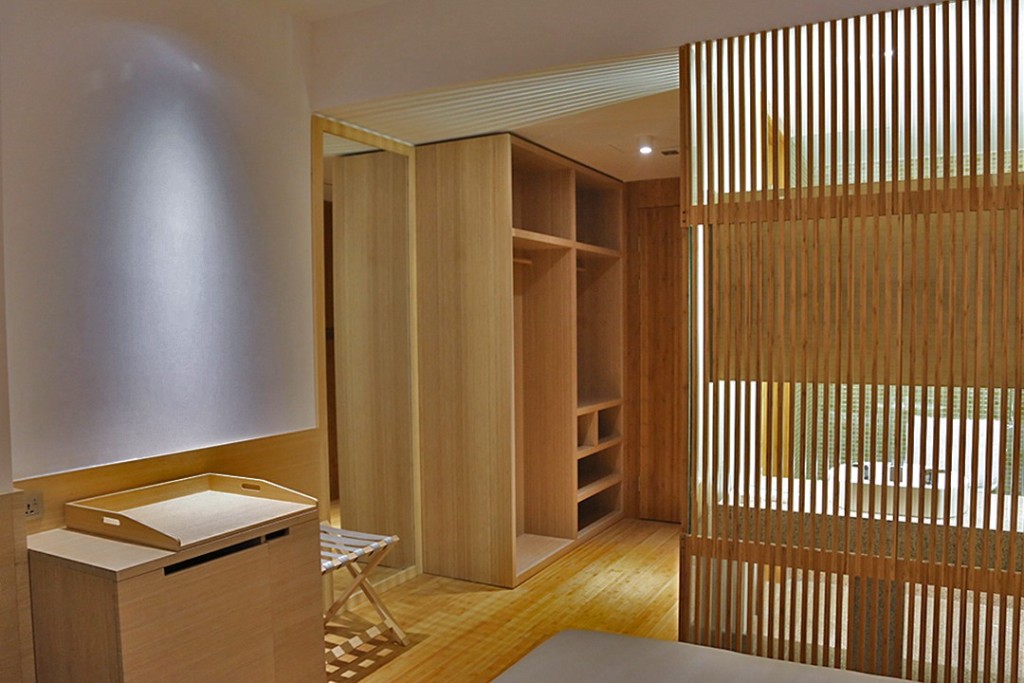
NAUF Bamboo Panels The Healthier Choice for Homes and Workspaces
Details
Gardena, United States
$80
24, Dec 2025
Additional Details
16740
150
 Condition
New
Description
“NAUF” stands for No Added Urea Formaldehyde, a designation that immediately separates such products from conventional engineered woods. Urea formaldehyde resin is a common binder used in plywood, particleboard, and MDF (medium-density fiberboard) because of its affordability and adhesive properties. However, over time it can release volatile organic compounds (VOCs) into the air.
By contrast, NAUF products rely on alternative adhesives and manufacturing methods that eliminate this risk. Rather than adding urea formaldehyde during production, they use safe, low-emission binders that meet stringent air quality standards such as those from CARB (California Air Resources Board) and LEED certification systems.
This difference can be significant, particularly in enclosed environments like modern homes and open-plan offices, where ventilation might not always be ideal. Every panel, desk surface, or wall covering made with NAUF materials contributes to a cleaner and more comfortable environment for those who live or work there.
Why Bamboo Is the Perfect Partner
When paired with bamboo, the health and environmental benefits of NAUF construction multiply. Bamboo grows at an extraordinary rate, reaching maturity in just a few years compared to decades required for hardwoods like oak or maple. It regenerates naturally from its root system, meaning no replanting is necessary after harvesting. This fast renewal cycle makes bamboo one of the most sustainable resources available for architecture and design.
More than just fast-growing, bamboo also offers a level of durability and structural stability that rivals traditional timbers. Its tensile strength often surpasses steel in proportion to its weight, and its fiber alignment lends itself to evenness and resistance against warping.
When converted into architectural panels — particularly NAUF-certified ones — bamboo becomes a prime example of how natural materials can meet contemporary environmental standards without compromising style or functionality.
Indoor Air Quality: The Invisible Difference
Indoor air quality might not always be visible, but it directly affects how people feel day to day. Studies have linked poor air quality to fatigue, irritation, headaches, and even decreased productivity. Spaces designed with healthier materials immediately make a tangible difference.
Traditional engineered woods can emit formaldehyde and other volatile compounds long after installation. That faint chemical “new furniture smell” isn’t just unpleasant — it’s often a sign of off-gassing. NAUF bamboo panels avoid this by removing the urea formaldehyde component entirely, greatly reducing the presence of airborne irritants.
In workspaces, where employees spend hours each day enclosed among computer equipment, flooring, and wall finishes, such cleaner materials can contribute to better focus and comfort. In homes, particularly ones with children or elderly residents, lower-emission interiors support long-term wellness and peace of mind.
Show MoreTags
Location
- Address1846 W. 169th Street, Suite A

Similar Listings